Overcoming Public Speaking Anxiety With Toastmasters
How Toastmasters Helped Me Overcome Fear of
Public Speaking and Find My Voice
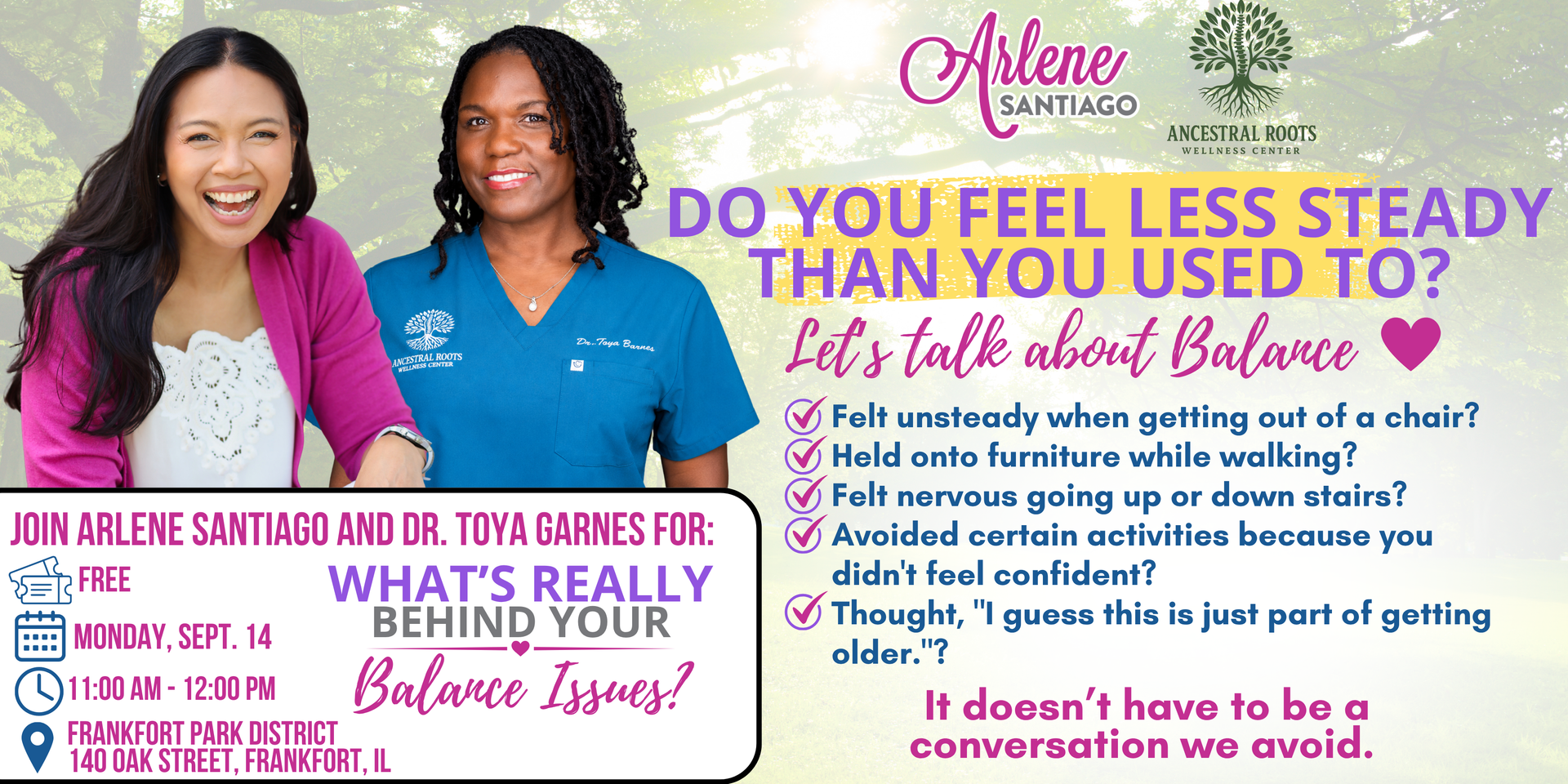
I still remember dancing backstage, trying to shake off my nerves before stepping onto the stage at That’s What She Said – Naperville. My breathing was shallow, my thoughts were racing, and one of the producers had to gently pull me aside and help me slow my breath.
The ironic part? I help people find calm.
But growth doesn’t mean you never get scared — it means you show up anyway.
Earlier that year, I had watched colleagues stand on stage and share their stories with honesty and vulnerability. I was inspired. I remember thinking, I want to do that. I want to be brave like that. Seeing them gave me permission to imagine myself on that stage too.
I actually knew about Toastmasters long before I joined. A friend had been involved for years and often encouraged me. At the time, though, my kids were younger and I needed to be home more. It simply wasn’t the right season yet. Sometimes growth isn’t about saying “no,” it’s about saying “not yet.”
Saying Yes at the Right Time
In August 2024, I finally joined Toastmasters. I didn’t join because I suddenly felt fearless — I joined because I was tired of letting fear make my decisions. I wanted to become clearer, more confident, and more comfortable speaking in front of people I didn’t know. At my very first meeting, I won Table Topics (It felt like I was answering a question, like a Miss Universe pageant). It was a small, unexpected win, but it meant a lot. It felt like confirmation that I had taken a step I’d been postponing for too long.
Then in April 2025, I took another leap and participated in That’s What She Said. (Think vulnerable storytelling for women). That event wasn’t just about telling a story — it was about proving to myself that I could stand in vulnerability and still be okay. Toastmasters gave me the practice ground; the stage gave me the courage test.
What Changed for Me
Toastmasters didn’t magically erase my nerves, but it gave me tools, repetition, and a supportive environment to grow. Over time, I noticed real changes:
- More confidence speaking at workshops and networking events
- Clearer communication and fewer filler words (I’m still working on “so”)
- A willingness to raise my hand instead of shrinking back
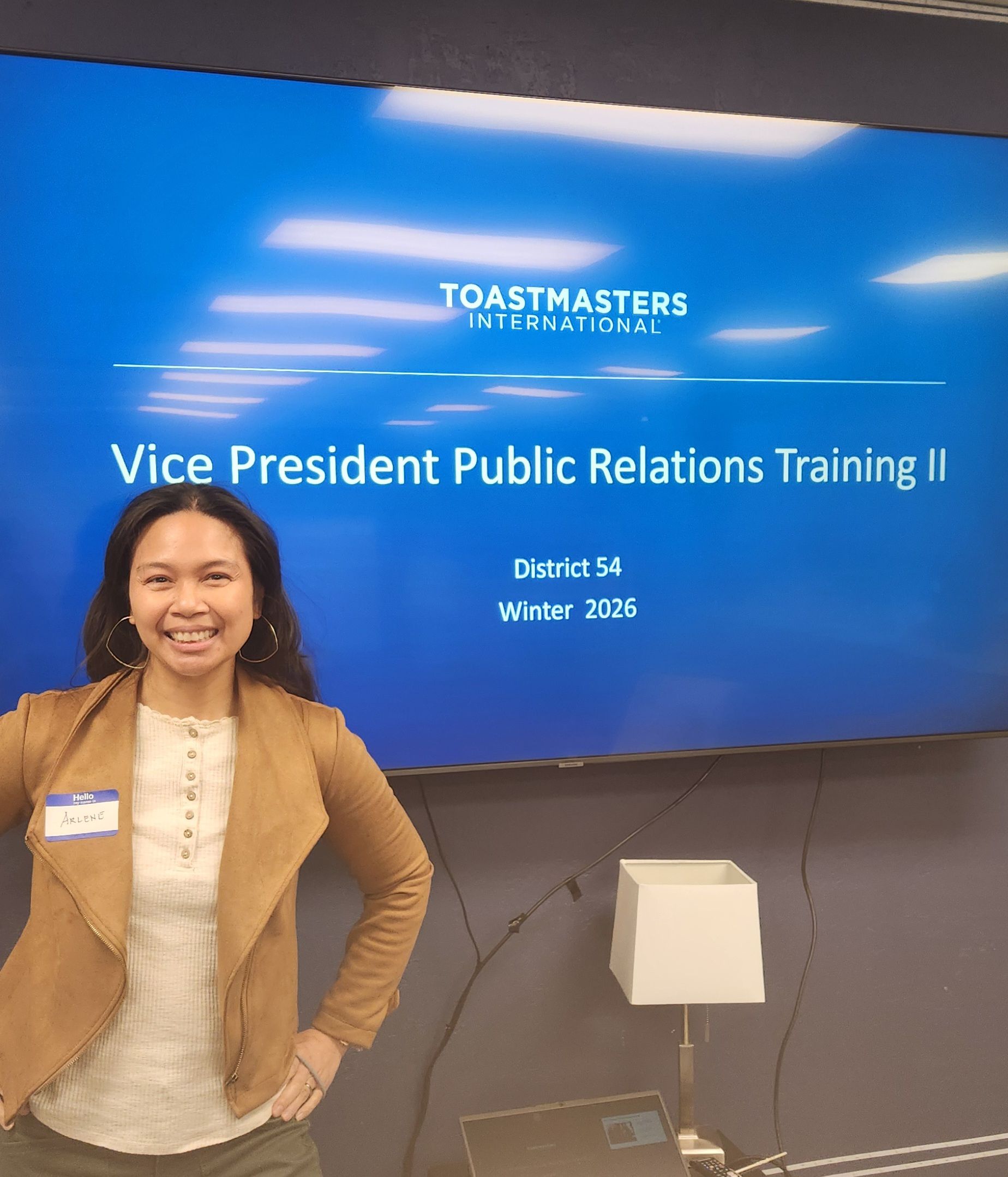
- Taking a leadership role as VP of Public Relations — something I would have talked myself out of before
One of my biggest fears inside the club was taking on the evaluator role. I worried I wouldn’t have enough helpful feedback to give or that I’d say the wrong thing. I was uncomfortable… and I did it anyway. Now it’s something I genuinely enjoy because I’ve learned that thoughtful feedback helps others grow just as much as speaking helps me.
What surprised me most was the encouragement. People in the club saw potential in me before I fully saw it in myself. When someone mentioned one of my stories would be great for a speech contest, it stuck with me. I’m not entering contests, but being seen and believed in matters more than we often realize.
More Than Public Speaking
For a long time, I stayed in the background. I worked behind the scenes and convinced myself that was enough. But the truth is, I wanted to be seen. I have goals, a business, and a message that deserves space.
Toastmasters gave me more than public speaking skills — it gave me more community. It reminded me what it feels like to be part of a team again, to grow alongside others, and to not carry every idea alone in my head.
If You’ve Been Thinking “Wouldn’t It Be Great If…”
👉If there’s something you keep imagining yourself doing…
👉If there’s a fear that keeps resurfacing…
👉If there’s a version of you quietly asking for more…
You don’t need to feel fully ready. Confidence is often built after action, not before it. Sometimes the bravest thing you can do is simply raise your hand and say yes.
Coming Full Circle
I still get nervous from time to time — especially when I’m talking about something personal or vulnerable. But I’ve learned that nerves aren’t a sign to stop; they’re a sign that it matters. How I show up matters. If I didn’t care, I wouldn’t feel that energy at all.
I’ve only been part of Toastmasters for about a year and a half, but the consistency of showing up, standing in front of a room, and practicing again and again has steadily built my confidence. The fear doesn’t disappear overnight, but it softens every time I take the mic.
So yes, I may still dance backstage sometimes.
But now it’s less about panic and more about reminding myself:
I’m human. I care. And I’m ready.
Want to Try Toastmasters?
If you’re local, you’re welcome to visit Lincoln-Way Toastmasters at the Frankfort Village Hall (432 W Nebraska) on the 1st and 3rd Thursdays of the month. Not nearby? You can find an in-person or online club through the official Toastmasters website’s club locator.
The confident version of you isn’t somewhere far away. Sometimes it’s just waiting for you to take one brave step forward.