
Movement Without Limits Blog
Insights on mobility, healing, and living with purpose


Every October, two awareness days sit side by side on the calendar: World Menopause Day on October 18 and World Osteoporosis Day on October 20. That's no coincidence. Menopause and osteoporosis are deeply connected, and most of what you'll see about them carries the same quiet message: your body is breaking down, so be careful, slow down, and play it safe. I want to offer you a different message. Getting older is not a death sentence. This stage of life can be the time you finally enjoy your body and do the things you've always wanted to do. But it does ask something of you: a smarter way of moving than the one that worked at 30. The Myth: "Now's the Time to Take It Easy" So many women believe the same thing. Their joints ache more than they used to, they've heard about bone loss, and they assume the safest plan is to stick with walking, skip anything heavy, and avoid anything that hurts. It makes sense. It's also backwards. The changes that come with menopause are exactly the changes that strength training helps with. Doing less doesn't protect you. Doing the right things does. What Actually Changes After Menopause Your bones. Estrogen helps protect bone, and when it drops, bone loss speeds up. In the five to seven years after menopause, women can lose up to 20 percent of their bone density. That's why this window matters so much, and why it's not a time to stop loading your bones. (More on this below.) Your joints. If your shoulders, hips, and knees feel achier than they used to, you are far from alone. In the Women's Health Initiative, about three out of four postmenopausal women reported joint pain. Researchers at Duke Health have also found links between low estrogen after menopause and frozen shoulder, which may help explain why so many women notice it in their shoulders first. In my own classes, this is the number one thing I hear: "Everything just aches more now, especially my shoulders." Your muscle. Muscle mass gradually declines with age, and muscle is what supports and protects your joints. Less muscle means your joints take more of the load with less help. Osteoporosis: The Quiet Side of Menopause Osteoporosis literally means "porous bone." Bones become thinner and more fragile, which makes them easier to break. What makes it tricky is that it's often called a "silent" disease. There are no aches or warning signs as bone thins. For many women, the first clue is a broken wrist, hip, or spine, or noticing they've lost height. And it's common: about one in two women over 50 will break a bone because of osteoporosis. That's a sobering number. But here's what the scary headlines leave out: bone stays responsive at any age. You can't control your hormones, but you can control how you load your bones, how strong your muscles are, and how well you can catch yourself if you trip. If you haven't talked with your doctor about your bone health, World Osteoporosis Day is a great reminder to ask whether a bone density scan makes sense for you. Knowing your numbers helps you and your doctor make a plan, and helps you train with confidence. Why Strength Training Is the Answer Bone is living tissue. When you put it under the right amount of stress, it responds by getting stronger. That's why the "play it safe" approach can backfire. When bones aren't asked to do much, they have no reason to stay strong. (I covered the best bone-building exercises in my post o n bone density and joint health .) Strength training also protects you in a second way: it helps prevent the fall in the first place. Strong legs, steady balance, and quicker reactions are what keep a stumble from turning into a fracture. (Read more in my post on why balance training matters now .) Muscle works the same way. Stronger muscles take pressure off your joints, steady your balance, and make everyday life easier: carrying groceries, climbing stairs, getting up off the floor, lifting a grandchild. Strength training for women over 50 doesn't mean heavy barbells or punishing workouts. It means consistent, intentional work like chair stands, rows, presses, and step-ups with bodyweight, bands, or light weights, progressing at a pace your body can handle. But What If Everything Already Aches? This is where most generic advice falls apart. It's hard to build strength when your shoulders are tight and your hips are stiff before you even start. Here's something I want every woman to know: pain and stiffness are not always a sign of damage. Often they're a sign that your body is guarding. Your nervous system tightens things up to protect you, especially when you're stressed, tired, or afraid of hurting yourself. That's why I don't start with heavier weights. I start with helping the body feel safe enough to move. Slow, targeted mobility work paired with conscious breathing calms the nervous system, releases that protective tension, and restores movement. Once your body lets go, strength work feels completely different. This is the heart of my Pain Reframe Method: uncover what's really behind the pain, release what your body is holding, restore natural movement, reframe the beliefs that keep you stuck, and reclaim the life you want. You can read more about it here . The Part Nobody Talks About Menopause isn't just physical. Many women tell me they feel disconnected from a body that suddenly seems unfamiliar. It aches in new places, it doesn't recover the same way, and it's easy to start thinking, "This is just how it is now." It doesn't have to be. When you start moving with intention, you rebuild more than muscle. You rebuild trust in your body. That's when women start saying yes again: to the trip, the hike, the dance class, the things they put off until later. What a Balanced Week Can Look Like You don't need to live at the gym. A realistic week might include: 2 days of strength training to build muscle and load your bones 1 day of mobility and breathwork to release tension and calm achy joints Walking most days for bone-building, weight-bearing movement A few minutes of balance work worked in wherever you can What My Students Are Saying "The slow, repetitive breathing and movement help unlock the body tension and restrictions I have. The eye movements and foot exercises helped increase my balance substantially. I went from being able to stand on one foot for 10 to 20 seconds to 55 to 60 seconds in class. I am already signed up for the next session because I know it is helping!" - Annie "Arlene introduces new instruction with each class and always tells her audience to do what you can without judgment. Breathing and movement techniques are helpful and I have seen improvement within one session." -Kris "Her classes give you confidence in what you are doing. They help maintain an active life while working on breathing, balance, and strength, among other things. Arlene's classes give us an opportunity to meet new friends." - Class participant Join Me In Person: Move Better. Breathe Deeper. Feel Free. If your knees, hips, back, or shoulders are constantly tight or achy, this class was made for you. Move Better. Breathe Deeper. Feel Free. combines targeted mobility work with conscious breathwork to release tension, restore movement, and calm your nervous system, all in one session. Each class is slow, intentional, and designed to support your body where it needs it most. No experience needed. Just show up and let your body do the rest. When: Fridays, 9:30 to 10:30 AM, October 30 through December 18 Where: Frankfort Park District Registe r: frankfortparks.org Prefer to Train From Home? Strength & Mobility 4 Life My live Zoom class, Strength & Mobility 4 Life , starts its next session on Tuesday, November 3 . We work on strength, flexibility, balance, and endurance twice a week, and every class is recorded so you can catch up or add extra sessions on your own schedule. It pairs beautifully with the Friday in-person class: strength from home, release and recovery in perso n. Reserve your spot here . Menopause isn't the end of your strength, and a fear of osteoporosis isn't a reason to stop moving. It's the start of your next chapter, and you get to decide how strong it is. Live your life. Don't let life run you. This article is for general educational purposes and isn't a substitute for personalized medical advice. I am not a licensed medical provider. Exercise carries inherent risk of injury. Always consult your physician before starting a new exercise program, especially if you have a diagnosed condition, are pregnant, or have been inactive. By following recommendations in this article, you assume full responsibility for your own health and safety. Sources referenced: MSU Extension: Osteoporosis, how does bone loss happen? Women's Health Initiative estrogen trial and joint pain (PMC) Duke Health: Hormone therapy and shoulder pain in older women

Why Balance Training Matters Now, Not Later
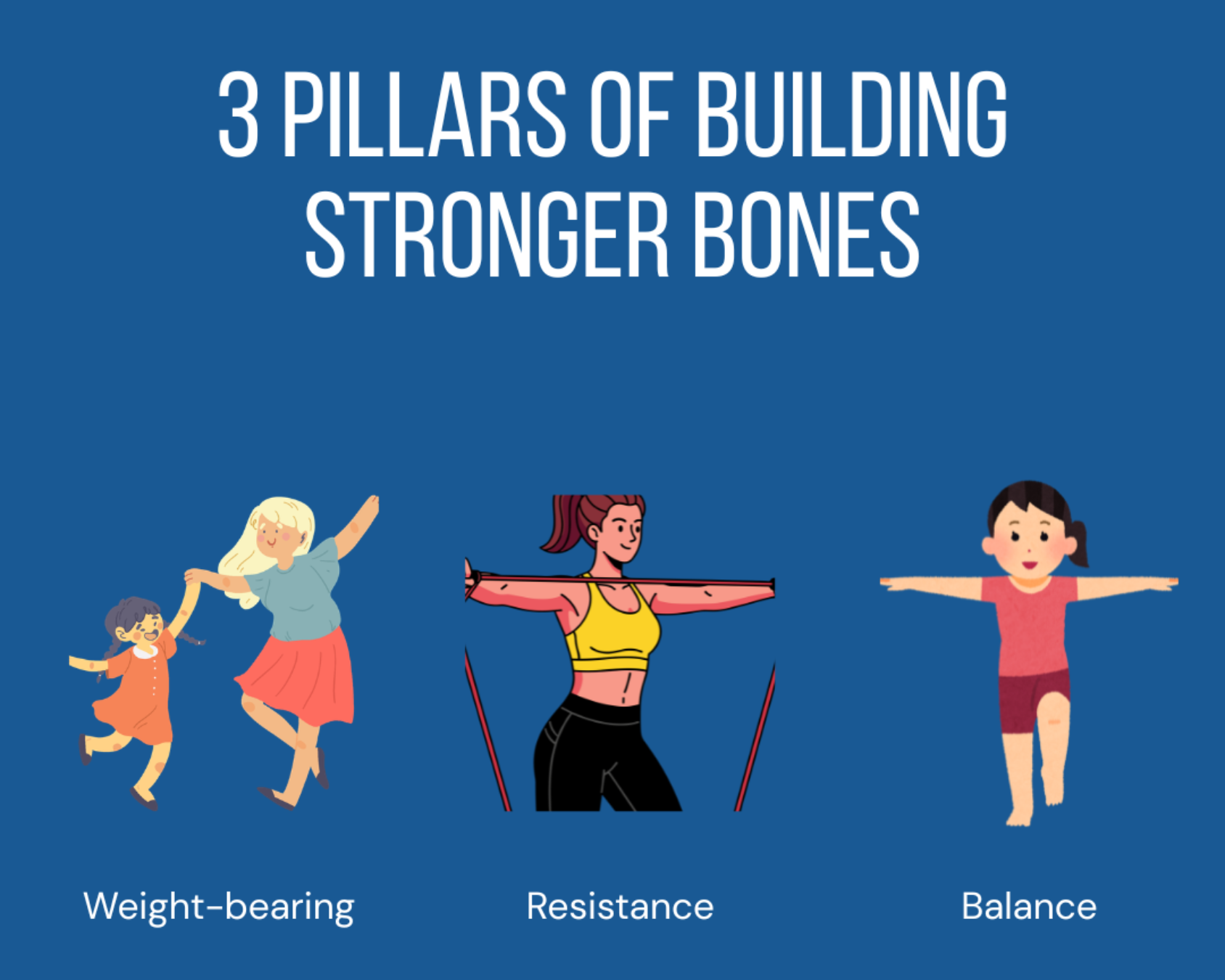
The exercises that protect your bones and your joints — no pounding required
Small Moves That Make a Big Difference
When Fear Lives in Your Flesh
Why Your Body Still Hurts Even After Stretching and Exercise
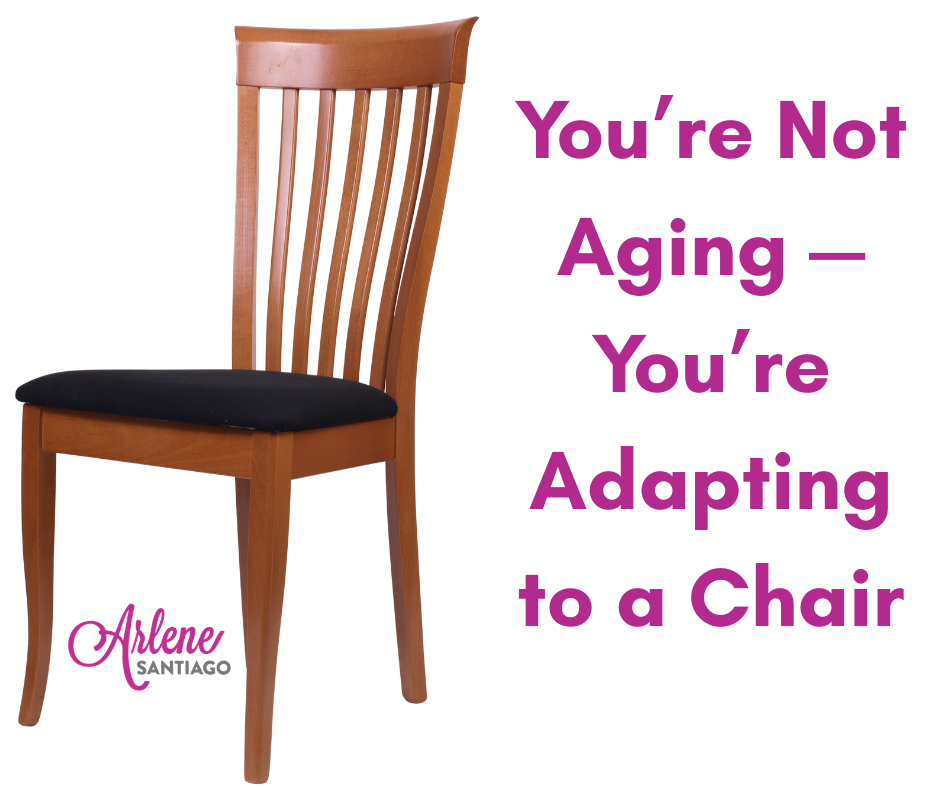
Why Sitting All Day Is Making Your Body Feel Older Than It Is (And What You Can Do About It) Do you wake up feeling stiff? Maybe your hips feel tight before you even get out of bed. Your neck and shoulders start aching by mid-afternoon. You stand up from your chair and feel like your body aged ten years during the workday. If you spend most of your day sitting at a computer, you’re not alone. Many professionals in their 40s and 50s experience stiffness, back pain, and fatigue and assume it’s simply part of getting older. But here’s the truth: You’re not aging — you’re adapting to a chair. Your body is incredibly intelligent. It adapts to whatever you repeatedly ask it to do. When you spend eight to ten hours a day sitting, your body gradually changes to support that position. Over time, this can lead to stiffness, muscle imbalance, and discomfort that can make you feel much older than you actually are. What Sitting All Day Does to Your Body When you sit for long periods of time, several things happen inside your body. Your hip flexors shorten, which can create tight hips and contribute to lower back pain. Your glutes become inactive, meaning the muscles that should support your hips and spine stop doing their job effectively. Your upper back rounds forward, which often leads to neck tension and shoulder discomfort. Even your breathing changes. Sitting and leaning forward can compress the diaphragm, leading to shallow breathing that keeps your body in a low-level stress state. Your nervous system eventually accepts this position as normal. This isn’t weakness. It isn’t failure. It’s simply adaptation. But if nothing changes, the small warning signs your body gives you can grow into bigger problems. When the “Whispers” Turn Into Pain At first, the signals are subtle. A little stiffness in the morning. Tight hips after a long day. A sore neck after working at the computer. But over time, those whispers can become louder: Tight hips can turn into lower back pain Weak glutes can contribute to knee issues Poor posture can lead to shoulder tension and headaches Shallow breathing can leave you feeling tired and drained Your body isn’t trying to punish you. It’s simply responding to the environment you place it in every day. And let’s be honest — life is busy. Between work, family responsibilities, and the constant demands of modern life, taking care of yourself often falls to the bottom of the list. You know you should move more… but finding the time and energy can feel overwhelming. You Don’t Need Intense Workouts Many people think the solution is a hard workout or a demanding fitness routine. But if you’re already stressed and sitting most of the day, jumping into extreme exercise can actually make things worse. What your body really needs is strategic movement. Movement that helps restore what sitting takes away. That means: Improving mobility in the hips and spine Rebuilding strength in key stabilizing muscles Restoring healthy breathing patterns Supporting your joints so your body moves the way it was designed to Small, consistent changes can make a powerful difference in how your body feels. Rebuilding Strength and Mobility This is exactly why I created Strength & Mobility 4 Life. This program is designed specifically for busy professionals and older adults who: Work at a desk or computer most of the day Feel stiff, tight, or uncomfortable in their body Want to feel stronger and more capable Don’t want an intense or overwhelming workout program Instead of pushing your body harder, we focus on helping it move better. In this class we work on: Hip mobility and glute strength Core stability for back support Posture and alignment Breath-driven movement to support the nervous system Functional strength that supports your everyday life Two focused sessions each week help you rebuild strength, mobility, and confidence in your body. Because here’s the empowering truth: If your body adapted to sitting… It can also adapt to movement, strength, and mobility. All it needs is the right input. Ready to Feel Better in Your Body? The next Strength & Mobility 4 Life session begins Tuesday, April 7. If you spend long hours at a computer and are starting to feel the effects in your body, this class can help you move better, feel stronger, and prevent small issues from becoming bigger ones. Your body isn’t broken. It’s simply waiting for better instructions. The next Strength & Mobility 4 Life class is Tuesday, April 7. Here's more info: https://www.arlenesantiago.com/strength-mobility
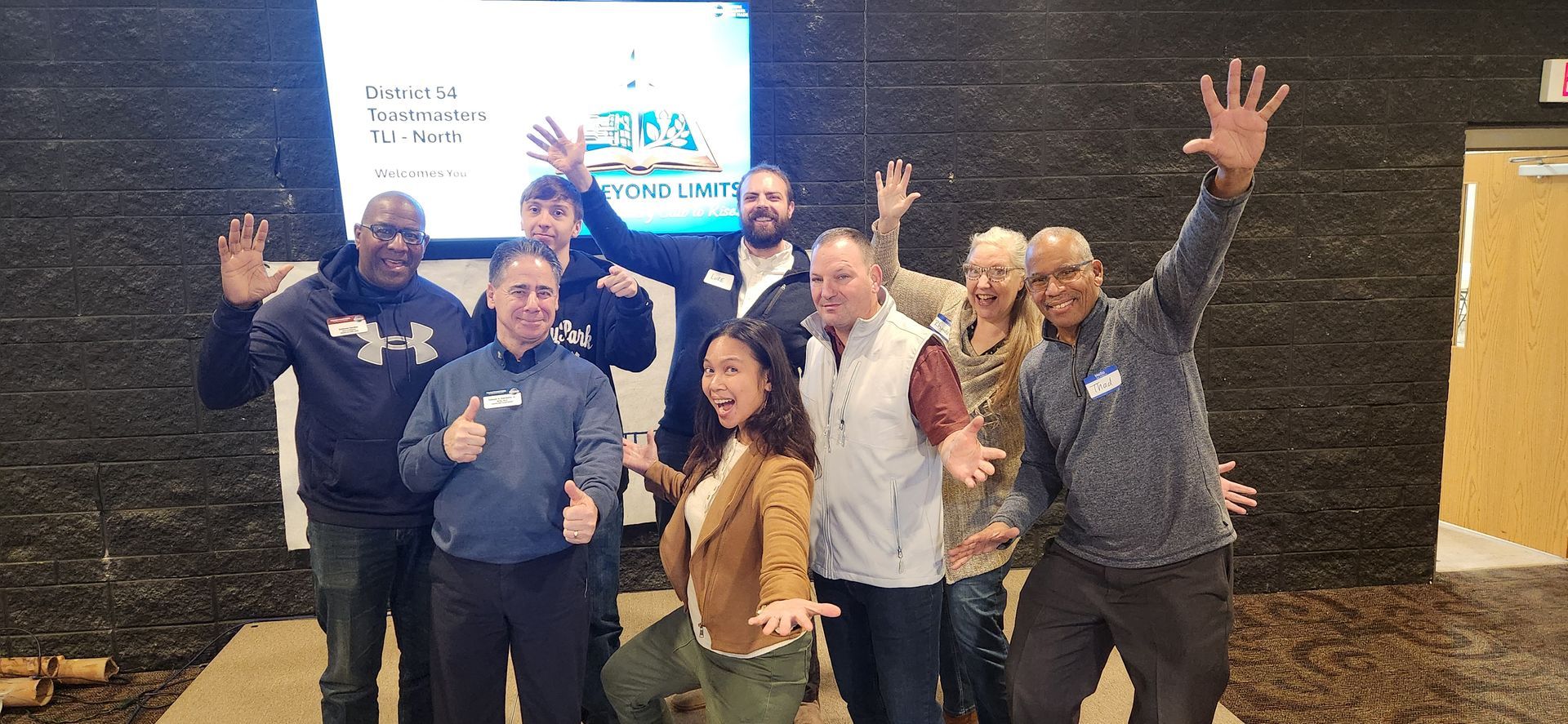
How Toastmasters Helped Me Overcome Fear of Public Speaking and Find My Voice
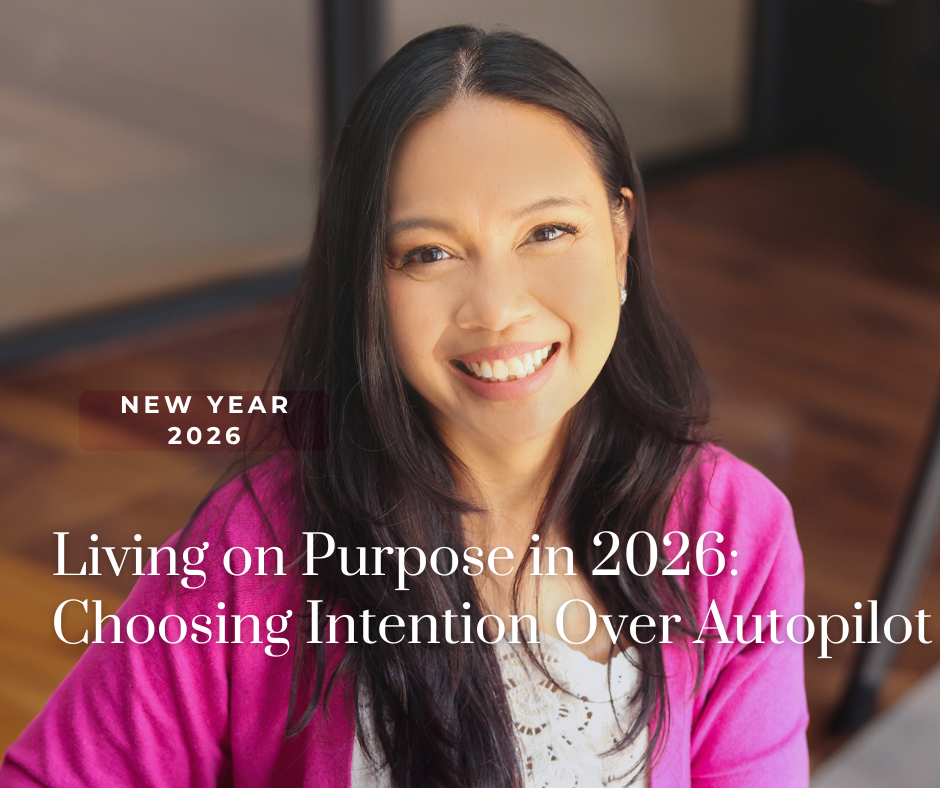
As we enter 2026, discover how living on purpose—rather than by habit—can reduce stress, support healthy aging, and bring more meaning, clarity, and connection to your life.