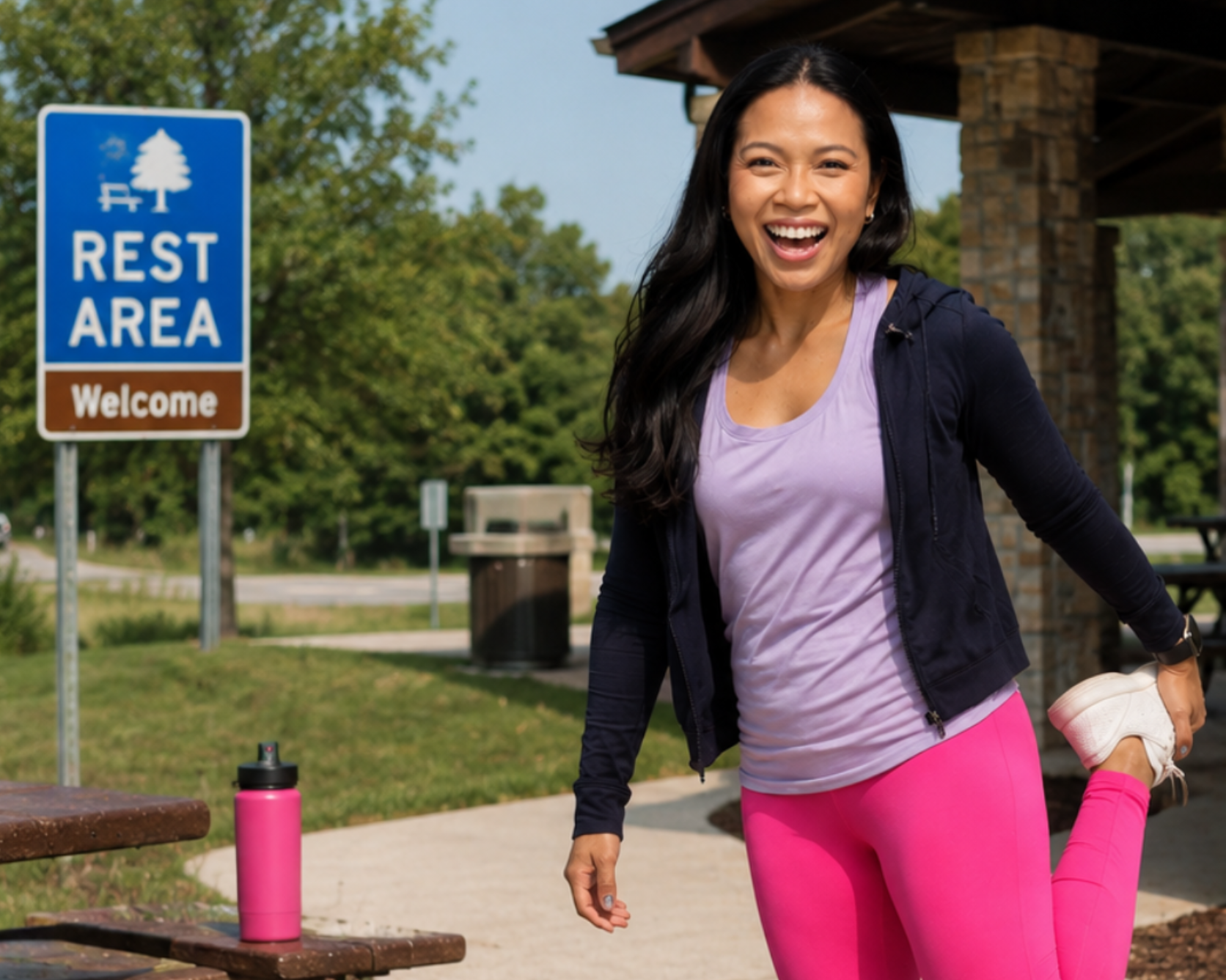

The Hidden Reason Your Body Still Hurts

Arlene Santiago • April 10, 2026

Why Your Body Still Hurts Even After Stretching and Exercise

You’re stretching.
You’re trying to stay active.
Maybe you’ve even started exercising more consistently.

And yet… your body still hurts.

Your shoulders feel tight.
Your hips feel stiff.
Your back keeps nagging you no matter what you do.

So you start wondering: Why does my body still hurt even after stretching and exercise?

Here’s the truth most people don’t realize: It’s not just physical


The Missing Piece: Your Body Holds More Than Just Muscle Tension

Your body isn’t just muscles and joints—it’s also where you store stress, emotions, and daily life pressure.


Think about it:

  • Your shoulders tighten when you’re overwhelmed
  • Your neck stiffens after a long, stressful day
  • Your whole body feels heavy when you’re mentally drained


That’s not random.


That’s your nervous system at work.

When stress becomes constant and emotions don’t get processed, your body adapts by tightening and protecting you.


And here’s the key:

If your body is in a constant state of tension, stretching alone won’t fix it.


Why Stretching and Exercise Aren’t Enough

A lot of people think: “If I just stretch more or move more, this will go away.”

But if you’re still dealing with pain, tightness, or stiffness, there’s could be a deeper reason.


1. Your body is protecting you


Tension isn’t always the problem—it’s often a response.

Your body creates tightness to:

  • Stabilize weak areas
  • Protect against stress
  • Keep you functioning under pressure


If you only stretch it, your body will tighten right back up.


2. Stress keeps your body “on guard”


When your nervous system is constantly activated (even low-level stress), your muscles don’t fully relax.

That’s why you might feel:

  • Temporary relief after stretching
  • But tight again a few hours later


Your body doesn’t feel safe enough to let go.


3. You’re treating the symptom, not the cause

Stretching addresses the feeling of tightness.

But not always the reason it’s there.

If the root is:

  • Stress
  • Movement patterns
  • Stored tension


Then you need a more complete approach.


What Actually Helps Relieve Chronic Tightness and Pain

If you want lasting relief, your body needs more than just stretching.

It needs a combination of:


✔️ Gentle, intentional movement

Not just passive stretching—but controlled, mindful movement that helps your body relearn how to move.


✔️ Awareness of where you hold tension

Most people don’t realize how often they’re clenching, bracing, or tightening throughout the day.

Awareness is the first step to release.


✔️ A sense of safety in your body

This is the part almost no one talks about.

When your body feels safe:

  • Muscles relax more easily
  • Movement feels smoother
  • Pain starts to decrease


If You’re Doing Everything “Right” and Still Hurting…


Don’t jump to: “Something is wrong with me.”


More often, it’s this: You’re missing a key piece of the puzzle.

Your body isn’t broken.
It’s responding exactly how it was designed to.


A Different Way to Approach Pain and Stiffness

Instead of forcing your body to loosen up…


Start working with it.


Pay attention to:

  • Where you feel tension
  • When it shows up
  • What your body might be responding to


Because when you address both:

  • The physical body
  • And the underlying tension it’s holding


That’s when things start to change.


If your body still hurts after stretching and exercise, it’s not because you’re failing.

It’s because your body is asking for something different.


And when you listen to it the right way… it responds.


If this resonated with you, start paying attention to your body in a new way today.  Notice where you’re holding tension. Notice when it shows up.
That awareness alone can begin to shift things. And if you want guidance on how to release that tension and move with less pain, I’d love to support you.
By Arlene Santiago March 13, 2026
Why Sitting All Day Is Making Your Body Feel Older Than It Is (And What You Can Do About It) Do you wake up feeling stiff? Maybe your hips feel tight before you even get out of bed. Your neck and shoulders start aching by mid-afternoon. You stand up from your chair and feel like your body aged ten years during the workday. If you spend most of your day sitting at a computer, you’re not alone. Many professionals in their 40s and 50s experience stiffness, back pain, and fatigue and assume it’s simply part of getting older. But here’s the truth: You’re not aging — you’re adapting to a chair. Your body is incredibly intelligent. It adapts to whatever you repeatedly ask it to do. When you spend eight to ten hours a day sitting, your body gradually changes to support that position. Over time, this can lead to stiffness, muscle imbalance, and discomfort that can make you feel much older than you actually are. What Sitting All Day Does to Your Body When you sit for long periods of time, several things happen inside your body. Your hip flexors shorten, which can create tight hips and contribute to lower back pain. Your glutes become inactive, meaning the muscles that should support your hips and spine stop doing their job effectively. Your upper back rounds forward, which often leads to neck tension and shoulder discomfort. Even your breathing changes. Sitting and leaning forward can compress the diaphragm, leading to shallow breathing that keeps your body in a low-level stress state. Your nervous system eventually accepts this position as normal. This isn’t weakness. It isn’t failure. It’s simply adaptation. But if nothing changes, the small warning signs your body gives you can grow into bigger problems. When the “Whispers” Turn Into Pain At first, the signals are subtle. A little stiffness in the morning. Tight hips after a long day. A sore neck after working at the computer. But over time, those whispers can become louder: Tight hips can turn into lower back pain Weak glutes can contribute to knee issues Poor posture can lead to shoulder tension and headaches Shallow breathing can leave you feeling tired and drained Your body isn’t trying to punish you. It’s simply responding to the environment you place it in every day. And let’s be honest — life is busy. Between work, family responsibilities, and the constant demands of modern life, taking care of yourself often falls to the bottom of the list. You know you should move more… but finding the time and energy can feel overwhelming. You Don’t Need Intense Workouts Many people think the solution is a hard workout or a demanding fitness routine. But if you’re already stressed and sitting most of the day, jumping into extreme exercise can actually make things worse. What your body really needs is strategic movement. Movement that helps restore what sitting takes away. That means: Improving mobility in the hips and spine Rebuilding strength in key stabilizing muscles Restoring healthy breathing patterns Supporting your joints so your body moves the way it was designed to Small, consistent changes can make a powerful difference in how your body feels. Rebuilding Strength and Mobility This is exactly why I created Strength & Mobility 4 Life. This program is designed specifically for busy professionals and older adults who: Work at a desk or computer most of the day Feel stiff, tight, or uncomfortable in their body Want to feel stronger and more capable Don’t want an intense or overwhelming workout program Instead of pushing your body harder, we focus on helping it move better. In this class we work on: Hip mobility and glute strength Core stability for back support Posture and alignment Breath-driven movement to support the nervous system Functional strength that supports your everyday life Two focused sessions each week help you rebuild strength, mobility, and confidence in your body. Because here’s the empowering truth: If your body adapted to sitting… It can also adapt to movement, strength, and mobility. All it needs is the right input. Ready to Feel Better in Your Body? The next Strength & Mobility 4 Life session begins Tuesday, April 7. If you spend long hours at a computer and are starting to feel the effects in your body, this class can help you move better, feel stronger, and prevent small issues from becoming bigger ones. Your body isn’t broken. It’s simply waiting for better instructions. The next Strength & Mobility 4 Life class is Tuesday, April 7. Here's more info: https://www.arlenesantiago.com/strength-mobility
By Arlene Santiago February 4, 2026
How Toastmasters Helped Me Overcome Fear of  Public Speaking and Find My Voice
By Arlene Santiago January 1, 2026
As we enter 2026, discover how living on purpose—rather than by habit—can reduce stress, support healthy aging, and bring more meaning, clarity, and connection to your life.
More Posts